Hospital superbugs that cause sepsis and meningitis could be hitching a ride on mobile phones, allowing them to escape out of healthcare settings and into the community, according to research presented at MLS Future Forum earlier this year.
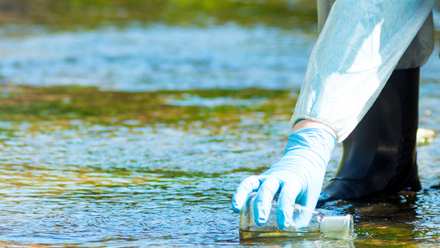
The first UK study to monitor antimicrobial resistance and influenza viruses in water bodies has revealed that 92% of samples contained genes for resistance to colistin, an antibiotic of last resort.
The first UK study to monitor antimicrobial resistance and influenza viruses in water bodies has revealed that 92% of samples contained genes for resistance to colistin, an antibiotic of last resort.
AMI submitted evidence to the Under the Microscope inquiry urging government support for portable diagnostic tools to detect pathogens and antimicrobial resistance at point of care.
Scientists have combined two light wavelengths to deactivate a bacterium that is invulnerable to some of the world’s most widely used antibiotics, giving hope that the regime could be adapted as a potential disinfectant treatment.
What have we learned from Covid-19? AMI’s response calls for coordinated surveillance, One Health strategies, and stronger action on AMR to help prevent the next pandemic.
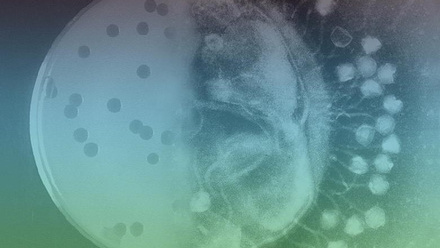
A regulatory pathway needs to be developed if the UK is to reap the benefits of bacteriophage therapy, Applied Microbiology International (AMI) has warned.
Relying on expertise from our members across the globe, this case study explores the role of the environment in the development, dissemination and proliferation of antimicrobial resistance (AMR).
Alli Cartwright examines the possibility of resurrecting dinosaurs a la Jurassic Park, and what our modern day microbes would have to say on the matter